

What Happens If Your Commercial Kitchen Is Non-Compliant? The True Cost of Food Safety Failures
UK food safety penalties include unlimited fines and immediate closure. Find out what happens when commercial kitchens fail compliance and how to avoid it.
Running a commercial kitchen is no walk in the park, whether you’re plating up fine dining in a Michelin-star restaurant, feeding hungry students in a school canteen, or keeping a hospital café ticking over. Something you need to prioritise daily is compliance with food safety standards, as it’s the backbone of your entire food business.
If things go pear-shaped with hygiene, the fallout goes way beyond serving up a dodgy meal. We’re talking serious legal action, eye-watering fines and even business closure.
So, what exactly happens when your commercial kitchen falls short of the mark? This blog will walk you through the legal, financial and operational risks that business owners face when non-compliance rears its ugly head. And trust us, the risk to public health is something the authorities don’t take lightly.
The inspection process: How failures are uncovered
The Food Standards Agency works hand in glove with local authorities to keep tabs on food businesses across the UK. An authorised officer known as an Environmental Health Officer (or EHO) can pop by for a nosy without giving you any warning. They’ve got the right to waltz in whenever they fancy to conduct a health inspection.
During these visits, they’re checking absolutely everything. We’re talking your HACCP systems (Hazard Analysis and Critical Control Point), food preparation areas, overall cleanliness and the structural condition of your premises. They’ll audit your safety protocols to see if you’re actually following the rules. These inspections apply to every food business, no matter the size or sector. EHOs conduct regular checks to verify that you’re meeting food safety standards, and they know exactly what they’re looking for.
Immediate enforcement: Can a restaurant be shut down?
Can a restaurant be shut down for poor hygiene in the UK? Absolutely. When an EHO finds something that makes their eyebrows shoot up, they’ve got a whole arsenal of enforcement actions at their disposal.
The hierarchy of trouble
Hygiene Improvement Notices are the first warning shot. These are issued when there’s a hygiene issue that needs sorting by a specific deadline. Think of it as a stern talking-to … with a timer attached.
Hygiene Emergency Prohibition Notices (HEPN) are a different kettle of fish altogether. These appear when there’s an imminent risk to health, such as pest infestations, sewage backing up, or severe mould that looks like it’s planning a hostile takeover. A Hygiene Emergency Prohibition Notice means immediate business closure. No passing go, no collecting £200. Your doors shut, and they stay shut until you’ve sorted the mess.
Be aware that failing to comply with these notices isn’t just embarrassing − it’s a criminal offence. If a hygiene issue is severe enough, the officer may take remedial action to protect the public. The failure to comply with restaurant closure food safety orders can land you in hot water, so it pays to take these notices seriously from the get-go.
Legal penalties: Fines and prosecution
Food safety non-compliance penalties UK courts hand down can include hefty fines that are unlimited, which should make anyone sit up and pay attention. Magistrates’ courts can fine you heavily, but if your case is serious enough to reach the Crown Court, you’re looking at potentially ruinous sums.
Here are some food safety prosecution examples to really drive the point home:
- A restaurant owner in Henley got slapped with a fine exceeding £22,000 for a list of offences, including mouldy equipment and poor handwashing facilities. Over 22 grand is nothing to scoff at, is it?
- According to EssexLive news, a Chelmsford restaurant ignored enforcement notices and ended up with a £24,000 fine and closure. That’s the price of being stubborn once the authorities have come knocking.
The legal action isn’t just aimed at the business itself, either. The food business operator can be held personally liable, which means you could end up with a criminal record. In the most serious cases, we’re talking prison sentences of up to two years. Know that if you fail food safety compliance at the highest level, criminal prosecution becomes a real possibility.
All of this stems from laws and regulations like the Food Safety Act 1990, which are the key pieces of legislation responsible for enforcing these standards.
The hidden danger: Ventilation and fire safety (TR19)
Compliance isn't just about keeping bacteria at bay. It’s also about your working environment and fire safety.
Why your extraction systems matter
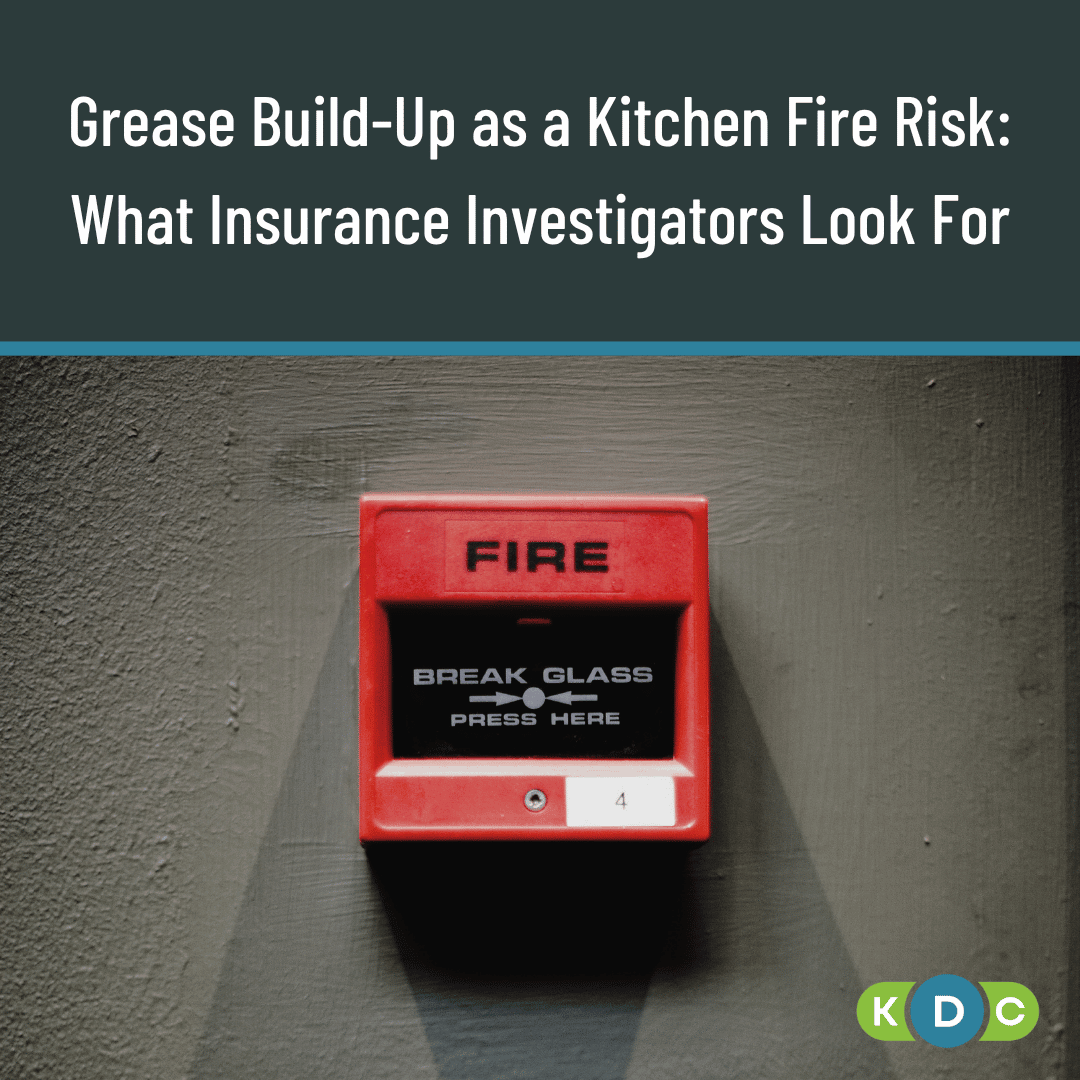
Grease accumulation in your ventilation system and extraction systems is like a ticking time bomb. All that muck building up in your ducts is a genuine fire hazard. Commercial kitchens must follow TR19® Grease standards for cleaning to reduce this risk. This is non-negotiable.
Remember that a dirty duct system can invalidate your insurance policies. Imagine having a fire, only to discover your insurer won’t pay out because you didn’t maintain your extraction system properly. The safety executive requires employers to ensure these systems are safe and regularly maintained through proper cleaning schedules.
The stakes are higher than you think
Negligence with your extraction systems and suppression systems can increase the risk of fire dramatically. In extreme cases where someone gets hurt or worse, we’re talking potential charges of corporate manslaughter. The safety hazards associated with grease-caked ventilation aren’t something to shrug off, as we’re talking about protecting lives and livelihoods.
Reputational damage and operational impact
Beyond the legal stuff, there’s what happens to your reputation when hygiene standards slip. The Food Hygiene Rating Scheme is brutally public. Those ratings from 0 to 5 stars are displayed for all to see, and customers make snap judgments based on them.
A low rating doesn’t just affect your bottom line; it affects your employees and customers on every level. Staff and customers lose trust instantly when they clock a 0 or 1 rating in your window. Your team’s morale drops faster than a burnt soufflé, and punters vote with their feet. Nobody wants to eat at a place that can’t maintain standards.
Your operational efficiency takes a nosedive, too. When you’re busy fighting legal battles and dealing with enforcement notices, you’re not focusing on what you do best − cooking brilliant food.
How to ensure compliance and protect your business
Right, enough with the doom and gloom. Let’s talk about how to stay on the right side of the law and protect your business. It’s all about having the right systems in place.
Daily operations vs. deep cleaning
Your daily operations cleaning is essential; wiping down surfaces, mopping floors, the usual routine. But you may also need professional deep cleaning to tackle the stuff that builds up over time. That’s where specialists like us at KDC Kitchen & Duct Clean Ltd come in. We get into those extraction systems, ducts and hard-to-reach areas that standard cleaning just doesn’t cover.
Staff training and procedures
Staff should be trained properly on everything from improper food storage to cross-contamination and proper handling techniques. Keeping an eye on this needs to be ongoing, and staff responsibilities should be crystal clear. Everyone needs to understand how their actions contribute to maintaining a safe, compliant kitchen.
Documentation and management
Keep your paperwork shipshape. You need up-to-date food safety records and risk assessments that show you’re taking safety procedures seriously. The mandate is clear: businesses need to maintain these standards or face the consequences.
Prevention beats remedial action
As a restaurant owner, investing in professional cleaning services for your efficient kitchen now saves you from those eye-watering remedial costs later. The key pieces of maintaining compliance are regular professional attention to your extraction systems, proper staff training and watertight documentation. Remember, compliance can result in peace of mind; failure to comply can result in disaster.
How we can help you keep things clean and compliant
Non-compliance is simply too expensive to risk, whether we’re measuring the cost in pounds sterling, reputational damage, or sleepless nights worrying about enforcement notices. Maintaining proper safety standards and hygiene practices is about protecting your business, your staff and your customers.
If you’re worried about whether your commercial kitchen measures up to the strict safety and hygiene regulations, now’s the time to sort it. Give us a bell at KDC Kitchen & Duct Clean Ltd for a professional deep clean or compliance audit. Don't wait for an EHO to uncover problems − let us help you stay ahead of them.
FAQs
Can a restaurant be shut down for hygiene in the UK?
Absolutely. If an Environmental Health Officer finds an imminent risk to health, they can issue a Hygiene Emergency Prohibition Notice that results in immediate business closure. Your doors shut on the spot until you’ve sorted the problem.
What are the fines for food hygiene violations in the UK?
Food hygiene fines in the UK are unlimited. Magistrates’ courts can impose heavy penalties, while serious cases that reach the Crown Court can result in eye-watering sums. Real examples include a Henley restaurant owner fined over £22,000 and a Chelmsford restaurant hit with £24,000 plus closure for ignoring notices.
What happens if you fail food safety compliance?
Failure to comply can lead to Hygiene Improvement Notices with deadlines to fix issues, unlimited fines, criminal prosecution and even prison sentences for serious offences. You could also face immediate business closure, a criminal record and permanent reputational damage through low Food Hygiene Rating Scheme scores.
What is EHO enforcement action?
EHO enforcement action ranges from Hygiene Improvement Notices requiring fixes by a deadline, to Hygiene Emergency Prohibition Notices for immediate closure when there’s an imminent health risk. Officers can enter your premises without appointment, conduct audits and take remedial action to protect public health. Ignoring these notices is a criminal offence.
Why does TR19 compliance matter for commercial kitchens?
TR19 standards govern the cleaning of extraction systems and ducts to prevent fire risks from grease buildup. Non-compliance can invalidate your insurance policies, increase fire hazards dramatically and lead to charges of corporate manslaughter in extreme cases. Regular professional cleaning of ventilation systems is advised to stay safe and legal.


.png)