

The Role of an Environmental Health Officer Explained
Discover the environmental health officer’s role in health and safety in this expert guide to EHO inspections in UK restaurants and commercial kitchens.
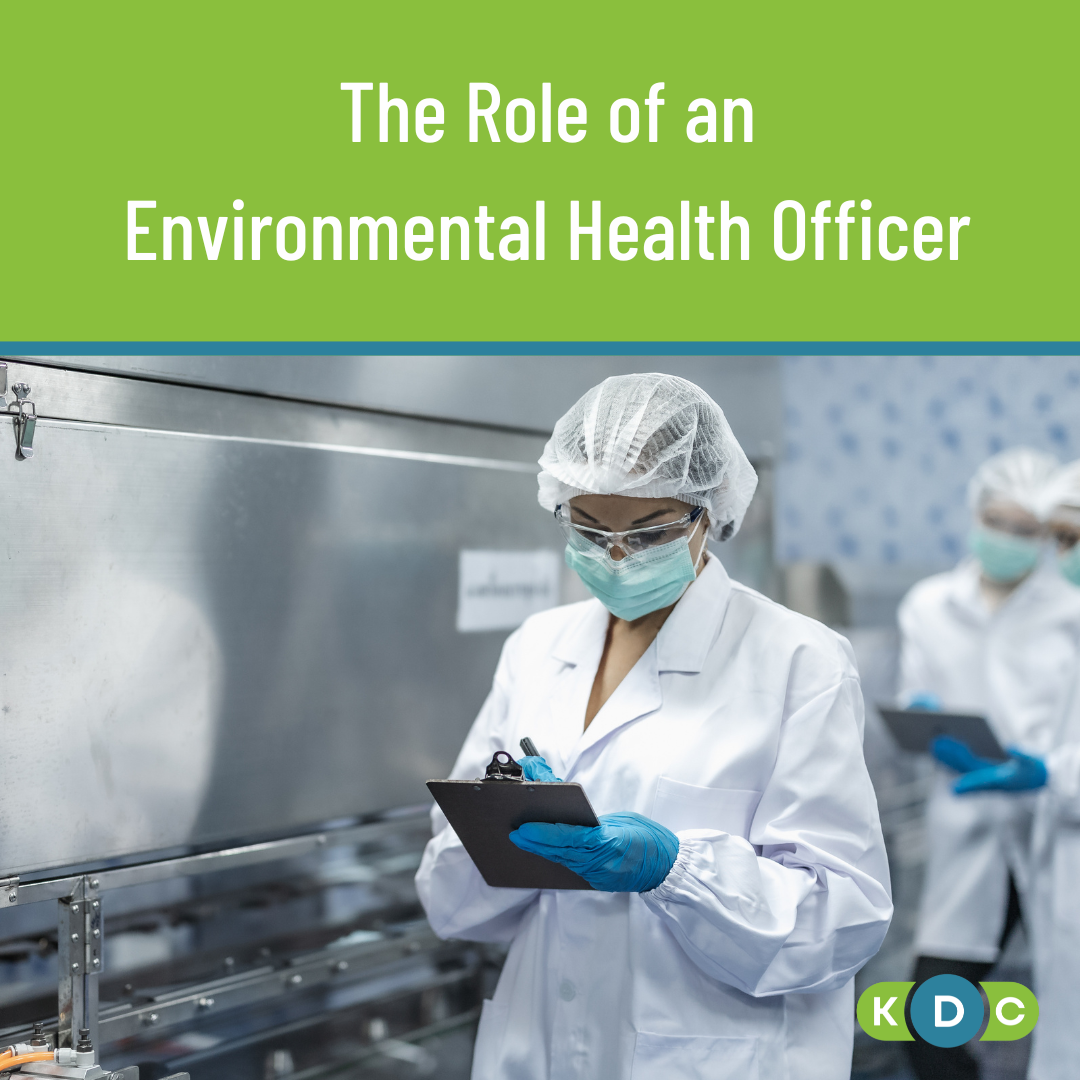
Mention “environmental health officer” to any chef or kitchen manager, and watch them go a bit pale. But it’s important to know that environmental health officers (EHOs) aren’t the enemy. They’re actually on your side, working to keep both your customers and your business safe. Think of them as the guardians of UK food safety standards.
These professionals, sometimes called environmental health practitioners, work within local authorities across the UK with one main goal: protecting public health. They make sure our environments, especially places where food is prepared and served, are genuinely safe and healthy.
If you’re running a commercial kitchen − whether it’s a restaurant, hotel, hospital, school canteen, or caterer − understanding the EHO role is essential. They’re not the people who turn up to catch you out. They’re more like partners helping you maintain the safety and hygiene standards that will keep your doors open and your operation’s reputation intact.
Understanding the EHO’s duties and responsibilities
So, what does an EHO actually get up to in commercial kitchens across the UK? Quite a lot, as it turns out
The role of EHO in food safety is pretty comprehensive. They’re not just checking if your surfaces are wiped down. Their duties and responsibilities cover monitoring and enforcing health and hygiene legislation across all sorts of food establishments. Environmental health professionals, often working alongside environmental health technicians and food safety officer colleagues, tackle everything from investigating customer complaints to managing full-blown food poisoning outbreaks.
What their work involves
EHOs inspect food businesses and food establishments regularly. They’re responsible for:
- Investigating complaints from members of the public about hygiene concerns
- Responding to food poisoning incidents and potential health emergencies
- Dealing with pest infestation problems (rats, cockroaches, the lot)
- Checking pest control measures are in place
- Assessing waste disposal practices
- Taking samples of food when contamination is suspected
- Ensuring businesses comply with health and safety laws
The responsibilities of an environmental health officer extend beyond just ticking boxes. They enforce regulations, but they’re also there to advise. It’s all about keeping standards high so that risks to public health are minimised. The health workforce depends on these professionals to protect communities, so they take their role seriously.
The inspection process
EHO visits are typically unannounced. They’ll turn up when you least expect it to see how you’re really operating day to day. Refusing them entry? That’s an offence, so don’t even think about it. They have the legal authority to inspect − and they will.
When they turn up at your kitchen (whether you’re running a restaurant, catering outfit, or hospital canteen), they’re checking compliance across three main areas. This is what determines your food hygiene rating, that 0 to 5-star score displayed on your door.
What they’re checking
1. Food hygiene and safety procedures
This is the nitty-gritty of daily operations. EHOs look at how you prevent cross-contamination between raw and ready-to-eat foods. They’ll check your temperature control logs, checking that hot food is above 63°C, and cold food is below 8°C. They want to see proper cooling procedures documented. If they suspect contamination, they can take samples of food for testing. Officers are responsible for monitoring these critical controls because getting them wrong leads to illness.
2. Structural requirements
Here’s where a proper deep clean really counts. EHOs assess the physical condition and cleanliness of your facilities, including walls, floors, ceilings, ventilation systems and handwashing stations. This is your chance to show that you maintain hygiene standards properly. Ask yourself:
- Are surfaces in good repair?
- Is the equipment clean and well-maintained?
- Can you actually keep the place hygienic, or is the structure working against you?
3. Confidence in management systems
They’ll review your food safety management system (FSMS), which must be based on HACCP (Hazard Analysis and Critical Control Points) principles. In many smaller kitchens, this is done using the Food Standards Agency’s Safer Food Better Business (SFBB) pack, while larger or more complex sites often use a bespoke HACCP‑based system.
They want to see staff training records, cleaning schedules and documented procedures that prove you're maintaining food safety standards consistently. It’s about showing you've got a system that ensures compliance, not just when they visit, but every single day.
Why this matters for your kitchen
So what is the result of this three-level assessment? Your food hygiene rating. Get the basics right − solid safety and hygiene practices, spotless facilities and proper management systems − and you’re well on your way to that coveted 5-star rating.
Note that in hospitals, care homes and schools, where many people are very young, elderly or medically vulnerable, EHOs expect especially robust controls on temperature, cleaning and cross‑contamination. So be extra mindful if you’re working within these environments.
Remember that a food inspector visit isn’t something to dread if you’re keeping on top of things. Regular professional cleaning, proper training and good record-keeping mean you’re always ready. Meeting these standards makes inspections much less stressful.
Compliance, enforcement and supporting your business
EHOs wear two hats: enforcer and advisor. They’re not there to shut you down on a whim. In fact, they want you to succeed. But they will take action if standards slip.
The enforcement ladder
They don’t come in swinging. If they spot issues, you’ll likely get an advisory letter first, pointing out what needs sorting.
If problems persist or there’s a breach of safety legislation, you’ll get a hygiene improvement notice. This gives you a reasonable timescale to sort things out.
But if there’s an imminent risk to health, as in something that could seriously harm customers, they can issue a hygiene emergency prohibition notice. That shuts you down immediately until you comply with the law. That kind of serious failure usually goes hand in hand with a zero hygiene rating. Nobody wants either, do they?
How EHOs help restaurants
EHOs often work closely with business owners. They offer practical advice, reasonable deadlines and support to help you achieve compliance with food safety standards. They understand that running a kitchen is demanding. Their goal is hygiene improvement, not punishment.
Ignoring their advice or not answering their questions truthfully? That’s when things get serious. Failing to address an imminent risk or refusing to remove unsafe food from your premises can lead to prosecution, hefty fines and lasting damage to your reputation. Certified environmental health officers are professionals who want businesses to thrive, but only when they’re operating safely.
Work with them, not against them, and you’ll find they’re a valuable resource for maintaining standards and protecting your customers.
Beyond food: EHOs’ wider impact on commercial environments
The EHO’s job doesn’t stop at the kitchen door. Their remit covers the entire commercial environment, think hotel grounds, stadium seating areas, school canteen air quality, the works.
These health professionals tackle broader environmental issues that affect public health, including:
- Air quality monitoring in enclosed spaces and outdoor areas.
- Noise and pollution regulation for premises that might disturb communities.
- Waste management procedures and ensuring proper waste disposal.
- Workplace safety across the entire site, investigating workplace accidents when they occur.
- Health hazards linked to environmental factors like mould, damp, or poor ventilation.
This holistic approach to environmental health work means they’re protecting community health on multiple fronts. It’s all part of the public sector role. Whether it’s pest control in storage areas or assessing safety in food-related zones, their work keeps standards consistent across all aspects of commercial operation.
The professional standard: EHO qualifications and expertise
Becoming an environmental health officer isn’t something you fall into. It requires serious commitment and expertise.
The path to qualification
To join the profession, you typically need a degree in environmental health or a related field, accredited by the Chartered Institute of Environmental Health (CIEH). That’s the gold standard qualification in England, Wales and Northern Ireland. In Scotland, the Royal Environmental Health Institute of Scotland (REHIS) sets the benchmark.
But a degree alone won’t cut it. After an accredited degree, trainees complete a structured period of supervised practical training and must demonstrate professional competence through assessments before they’re fully qualified. Most work for local authorities, and all must keep their knowledge up to date through continuing professional development.
Ongoing development
EHOs don’t stop learning once they’re qualified. Continuous professional development (CPD) is mandatory, keeping them current with the latest compliance with health and safety laws, food safety legislation and best practices.
Most EHOs work for local authorities as part of environmental health teams, though some work in the private sector as consultants or for large organisations. Employers of environmental health professionals value this expertise because these safety officers understand how to enforce food safety while supporting businesses to succeed.
The health workforce needs skilled professionals who can balance enforcement with education, and EHOs fit that bill perfectly.
How we can help you achieve compliance and excellence
Environmental health officers are vital for public safety and your commercial success. A five-star food hygiene rating is a powerful marketing tool that builds customer trust and protects your business.
The secret? Be perpetually ready. Don’t wait for the inspection to roll around. Integrate consistent hygiene practices, keep meticulous records and maintain your facilities to the highest standard. When it comes to that structural assessment (i.e. the cleanliness of your walls, floors, equipment and extraction systems), professional deep cleaning makes all the difference.
That’s where KDC Kitchen & Duct Clean Ltd comes in. We’ll help you keep your kitchen up to the standards health departments expect, so when the EHO pops by, you’re ready. Want to ace that next visit? Give us a bell for a quote.
FAQs
Can I refuse an EHO entry to my premises?
No, and you shouldn’t even try. EHOs have legal authority to inspect food premises, so refusing entry is actually an offence. These visits are typically unannounced because they want to see how you operate day to day, not when you’ve had a chance to prep. That’s why it’s best to keep standards high all the time, so you’re always ready.
What happens if I fail my food hygiene inspection?
It depends on what they find. Minor issues usually mean an advisory letter with guidance on what to fix. More serious problems get you an improvement notice with a deadline to sort things. If there’s an imminent risk to customers, they can shut you down immediately with a hygiene emergency prohibition notice. Work with your EHO to fix issues quickly and you’ll be back on track.
How often do EHOs inspect commercial kitchens?
There’s no set schedule. It varies based on your risk rating, past performance and the type of food business you run. Higher-risk premises or those with poor ratings get more frequent visits. A solid five-star rating might mean less frequent inspections, but they can still turn up anytime. That’s why consistent standards matter more than hurrying to sort things out before a visit.
Do EHOs only check food safety or do they check other things, too?
They cover much more than just the kitchen. While food safety is a major focus, EHOs also assess pest control, waste disposal, air quality, workplace safety and general hygiene across your entire premises. They’re looking at the bigger picture of public health, from your food prep areas right through to your bins out back.
What qualifications do environmental health officers have?
EHOs are highly trained professionals with a degree in environmental health accredited by the Chartered Institute of Environmental Health. After university, they complete practical training and pass professional assessments before they can practice. They also keep learning throughout their careers to stay current with regulations and best practices.

.png)