

Commercial Kitchen Deep Cleaning in London: What to Expect
From oven degreasing to TR19 duct cleaning, find out what’s involved in commercial kitchen deep cleaning services in London and beyond.
London’s hospitality and catering scene never slows down. Between the breakfast rush, lunchtime covers and late evening service, a commercial kitchen takes a serious battering every day. While your kitchen staff do a brilliant job keeping things ticking over – by wiping down surfaces, sweeping floors and cleaning as they go – this vital routine cleaning doesn’t reach the places that really matter.
The fact is that grease migrates into extraction ducts. Carbon bakes onto oven interiors. Bacteria set up camp behind appliances. So while daily cleaning keeps things looking presentable, only a professional kitchen deep clean gets into the hidden corners where the real grime lives. That’s the difference between a kitchen that looks clean and one that actually is.
This blog will walk you through what commercial kitchen deep cleaning in London (and beyond) involves, why it matters for your food hygiene rating and legal compliance, how often you need it, and what to look for in a specialist cleaning service.
Why your London business needs a professional deep clean
As mentioned, a commercial kitchen that only gets a daily wipe-down is a kitchen heading for trouble. Here’s what's quietly building up while your team focuses more on service.
For food hygiene and avoiding cross-contamination
Pathogens like Salmonella, E. coli, and Listeria don’t announce themselves. They thrive in the grease film behind fryers, in the crevices of prep surfaces and in drains that haven’t had a proper sort-out in months. A professional deep clean eliminates the bacteria that routine cleaning misses, reducing the risk of foodborne illness and protecting your customers, your staff – and your reputation.
As part of pest control
Rodents and insects go for food debris lurking behind appliances, under fridges and in corners that hardly see a mop. Trust us, there are likely more layers than a shepherd’s pie under there – and just as messy. A thorough kitchen deep clean removes those food sources and makes your kitchen a far less inviting prospect for uninvited guests.
For fire safety and insurance reasons
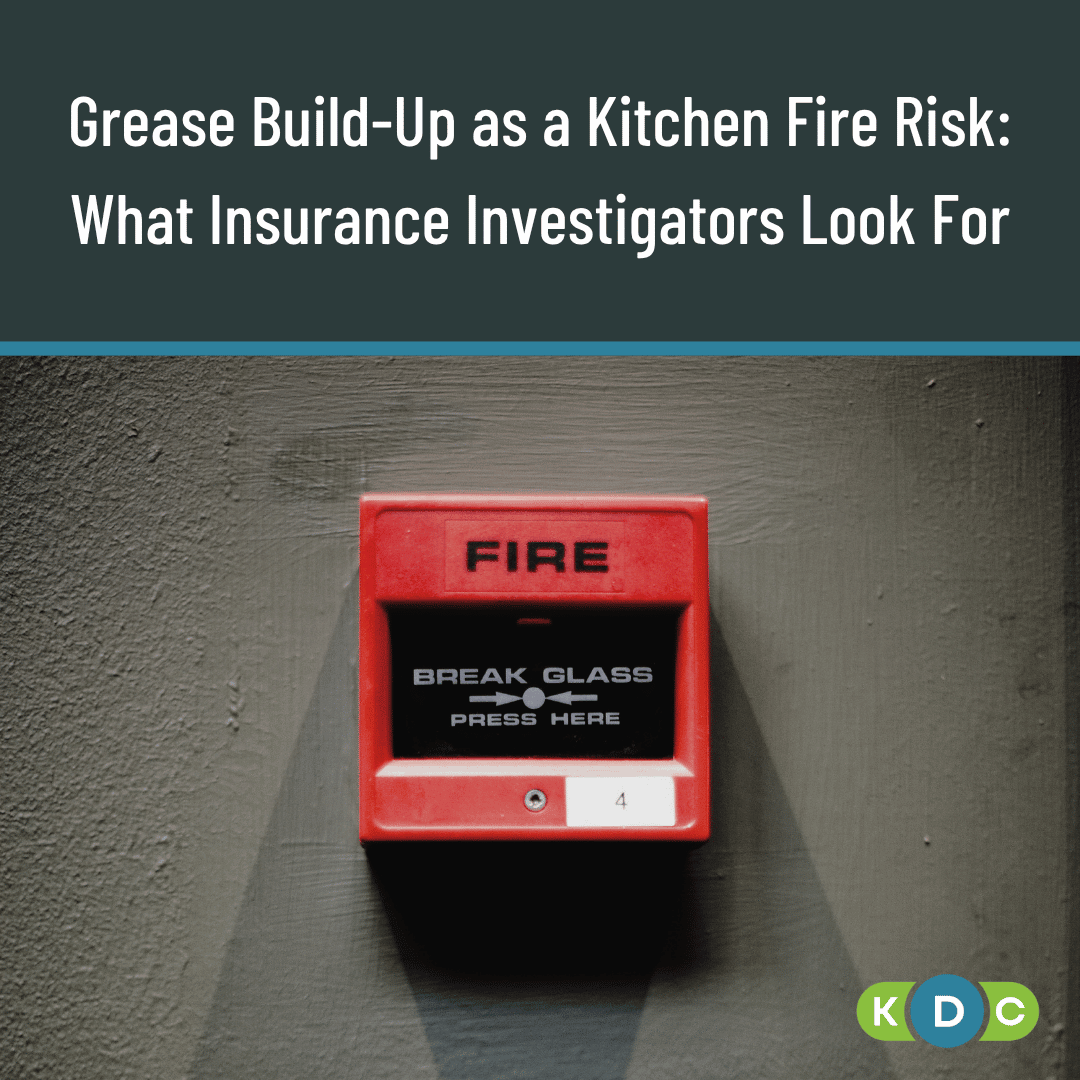
You should know that accumulated grease in extraction systems is highly flammable. A duct caked in fat is a fire risk, plain and simple, so many insurers will void your policy if you can’t show that your extraction system has been cleaned to the required standard. Don’t wait ‘til the fryer starts smoking like it’s having a hard time. Book a deep cleaning service to ensure your kitchen meets fire safety standards, keeping your insurance valid.
To protect equipment efficiency – and your bottom line
Clean equipment runs more efficiently. Ovens caked in carbon use more energy. Filters blocked with grease make your extraction fans work harder. A hygienic kitchen protects your appliances, keeps utility bills in check and means fewer expensive call-outs for equipment that’s struggling under months of accumulated grime.
What the deep cleaning process consists of
A professional kitchen deep clean is a methodical, top-to-bottom operation in which no corner is skipped. Here’s how it works.
- Preparation: Before any cleaning begins, food stocks are secured, and equipment is disconnected and partially dismantled. This allows the team to access all the hard-to-reach areas that rarely see daylight.
- Cooking equipment: Ovens, fryers, hobs and grills are degreased, decarbonised and descaled. Burnt-on carbon and fat deposits that have baked on over months don’t shift with a spray and a wipe. They need specialist commercial cleaning solutions and proper grafting. Professional kitchen deep cleaners bring both.
- Ventilation and extraction (TR19): The canopy, filters and ductwork are cleaned to TR19® Grease standards, which are the industry benchmarks for extraction system cleaning. This removes flammable grease deposits from the full length of the duct, not just the visible sections. If your ducts look like something from a horror film, it’s best you call in the pros.
- Structural cleaning: Walls, ceilings, light fittings and floors all get attention, particularly underneath and behind heavy fixed appliances. This covers all the areas that kitchen staff simply can’t reach during normal cleaning routines.
- Sanitisation: Food preparation surfaces are disinfected using food-safe, non-corrosive cleaning solutions. This means every inch of your kitchen is left genuinely clean, not just presentable. This is the sort of clean that even the strictest matron would give a nod to.
Frequency: how often should you deep clean?
As an absolute baseline, every commercial kitchen should have a professional deep clean every six months. But your cleaning schedule really depends on how hard your kitchen works.
- Heavy use (12 to 16 hours/day): Fast-food outlets, dark kitchens and high-volume restaurant kitchens running fryers constantly should be deep cleaned every three months. Grease is multiplying like orders on a Friday night, so don’t let it get ahead of you.
- Moderate use (six to 12 hours/day): Hotel kitchens, care homes and typical restaurant kitchens usually need a professional deep cleaning service every six months. This is the standard cleaning requirement for most commercial catering operations in London.
- Light use (two to six hours/day): Schools, community centres and seasonal venues may only need an annual deep clean. But vigilance is still required, as even lighter-use kitchen environments can surprise you with what builds up over time.
UK legal compliance and EHO expectations
Maintaining a clean kitchen is the law. Under the Food Safety Act 1990 and Regulation (EC) No 852/2004, food business operators are legally required to maintain hygiene standards throughout their premises. Getting that wrong can mean anything from a poor hygiene rating to prosecution.
What EHOs look for
When an Environmental Health Officer stops by for an inspection, they’re not just checking whether your surfaces look tidy. They want to see documented evidence of deep cleaning routines, procedures based on HACCP (Hazard Analysis and Critical Control Points), and records that show your kitchen meets hygiene regulations consistently. Ensure everything’s in order to keep the EHO happy.
Documentation matters
After every professional clean with KDC Food Hygiene Ltd, you’ll receive a hygiene certificate and detailed cleaning logs. These are your paper trail for inspections, insurance purposes and demonstrating to the Food Standards Agency that your professional kitchen meets the required high standard.
Why choose us?
KDC Food Hygiene Ltd provides commercial kitchen deep-cleaning services across London and the entire country for hospitals, stadiums, caterers, schools and all manner of restaurants. The team holds BESA TR19, SafeContractor and ISO 9001:2015 accreditations, so you know the work is done to a verifiable, professional standard.
We can ensure that cleaning is carried out out-of-hours, 24 hours a day, so there’s zero disruption to your business. And with bespoke pricing based on your specific kitchen setup, you get genuine value for money rather than a one-size-fits-all quote.
Got too much on your plate to do a deep clean yourself? Get in touch with us today for a quote, and find out how we can keep your kitchen clean, compliant and ready for whatever London throws at it.
FAQs
How often does a commercial kitchen need a professional deep clean?
At a minimum, every six months. High-volume kitchens running 12+ hours a day (think dark kitchens and busy fryer lines) should be booking one every three months.
What does a commercial kitchen deep clean actually include?
Everything from degreasing ovens, hobs and fryers to cleaning extraction ductwork to TR19® Grease standards, plus structural cleaning of walls, ceilings and floors, including all the spots your team can’t reach during daily cleaning.
Will the clean cause disruption to my business?
No. KDC Food Hygiene Ltd works out-of-hours, 24 hours a day, so your kitchen is spotless and ready for service without any downtime.
What documentation do I receive after a deep clean?
You get a hygiene certificate and detailed cleaning logs. These are useful for EHO inspections, insurance purposes and demonstrating compliance with food hygiene regulations.
How much does kitchen deep cleaning in London cost?
The cost of kitchen deep cleaning in London varies depending on the size and setup of your kitchen. KDC Food Hygiene Ltd provides bespoke quotes tailored to your specific needs, so you only pay for what your kitchen actually requires.


.png)