

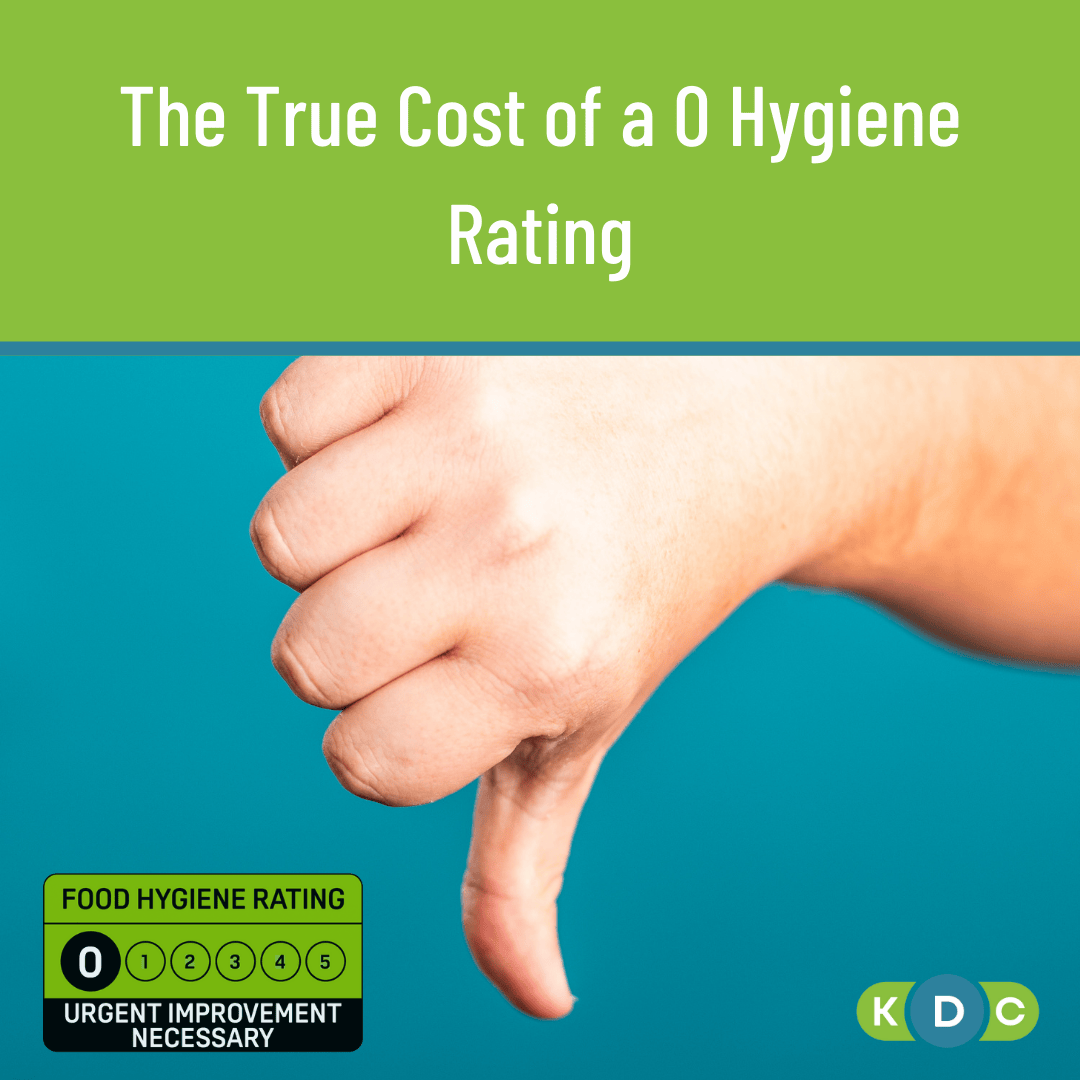
The True Cost of a 0 Hygiene Rating for UK Commercial Kitchens
Discover the true cost of getting a 0 food hygiene rating for UK businesses. Learn about penalties and expert tips to fix a bad hygiene score, fast.
Your food hygiene rating isn’t just a sticker in the window. It’s the difference between a thriving food business and one that’s struggling to keep the lights on. The Food Hygiene Rating Scheme, run by the Food Standards Agency, covers everything from restaurants and hotels to hospitals and caterers. It’s how customers decide where to spend their money, and it’s how environmental health officers measure whether you’re keeping folks safe.
A 0 rating is the lowest possible score you can get. It means ‘Urgent Improvement is Required’. This is not something you can sweep under the fridge. This is not about having a bad day or a missed deep clean. A 0 signals serious problems that put your customers at risk.
So what does a 0 food hygiene rating actually cost you? We’re talking financial penalties, legal action and a reputation that’s harder to rebuild than a collapsed soufflé. Below, we’ll break down the real consequences of hitting rock bottom on the food hygiene rating UK scale.
Understanding the 0 rating: A systemic failure
Decoding ‘Urgent Improvement is Required’
When the environmental health officer hands you a 0, they’re telling you there's significant non-compliance with food hygiene regulations. It means immediate health risks that could make someone seriously ill.
Your overall rating comes from three core inspection categories. You need to ace all of them to score well:
- Food handling: How hygienically the food is handled, from prep through to storage. Are you cooking, cooling and storing food safely?
- Physical condition: The cleanliness, layout, ventilation and maintenance of your premises. Basically, is your kitchen structurally sound and properly maintained?
- Food safety management: Your documentation, processes, staff training and systems. Can you prove you’re managing food safety properly?
One weak link drags down the whole score. You could be brilliant at food preparation, but let down by poor documentation or a dodgy extraction system. While a rating of 3 is generally satisfactory and a rating of 5 is very good, a 0 is the lowest rating possible under the current food hygiene rating scheme. It means you’ve failed to meet food hygiene standards in a way that poses real danger.
Think of it like this: You wouldn’t serve a meal with one rotten ingredient, would you? The same goes for your hygiene inspection. Everything needs to be up to scratch.
The immediate legal and financial costs
Enforcement: The weight of legal action and financial ruin
When you receive a poor rating, the local authority will take action. And it can get serious quickly.
If the environmental health officer identifies an imminent risk to public health during a food hygiene inspection (think pest infestation, serious contamination, or structural hazards), they can issue an Emergency Prohibition Notice. That means your doors close immediately. They’ll also stay closed until you’ve sorted the issue out.
Even without an immediate closure, a 0 comes with enforcement actions:
- Improvement notices requiring you to fix specific issues within a set timeframe.
- Fines that can be substantial.
- Prosecution for serious breaches, leading to unlimited fines or even imprisonment.
Plus, the cost of food hygiene failure isn’t just the fine itself. There are lost trading days, legal fees, the expense of making urgent improvements and the mandatory follow-up inspections. Every day you’re closed or operating under restrictions is revenue down the drain.
Another thing that catches people out is that even if your food handling is decent, missing documentation or structural problems with your premises will still land you with a low food hygiene rating. You might think “but we're careful with the food”, but compliance with food hygiene standards means getting everything right. The penalties for a poor hygiene rating don’t care about excuses.
A business given a rating of 0 will face follow-up visits to verify improvements have been made. You’ll be under the microscope until you’ve proven you’ve turned things around.
The erosion of reputation and revenue
The customer exodus: Losing trust in the digital age
What will hurt most is the business impact of a food hygiene rating of 0 on your bottom line.
According to a survey conducted by a subsidiary of Procter & Gamble, almost half of UK diners clock that rating certificate the moment they walk through your door. They’re checking and making decisions based on what they see. So the information about the food hygiene rating helps people decide whether they’d buy food from you.
The numbers are brutal:
- 82% of customers would avoid a business with a rating of 2 or lower rating
- Only 1% of customers would consider a rating of 1 or 0 when buying food
In England, displaying the rating is voluntary (unlike Wales and Northern Ireland, where it’s mandatory). But hiding a low score raises more red flags than a bullfight. Businesses with a good food hygiene rating are proud to display their rating stickers. If yours isn’t visible, customers may assume the worst.
Then there’s the digital world. Delivery platforms and booking sites can remove businesses with poor hygiene ratings from their listings. Just like that, you’ve lost a huge chunk of potential orders. Your visibility drops to zero along with your score.
Food poisoning is a serious deterrent. And in the age of social media and review sites, one person’s bad experience becomes everyone’s knowledge. The value of the food hygiene rating has never been higher because consumers have never been more informed.
Interestingly, customers are often willing to pay more for meals at establishments with exceptional standards. So a high rating isn’t just about avoiding negatives; it actively attracts people who care about quality and safety. A rating of 3 might seem acceptable, but when your competitor down the road is sporting a 5, guess where diners will be heading?
The path to redemption: Your action plan
From zero to hero: Immediate steps to recovery
The good news? A 0 rating isn’t a death knell. You can turn things around if you take swift, comprehensive action.
First up, address every single issue in the inspector’s report. This is where many businesses stumble, as they fix the obvious problems but miss the details that’ll still cost them marks at the next inspection.
Sort out the physical cleanliness
This is where professional help makes a real difference. Unsatisfactory cleaning of equipment, walls, ceilings and dodgy ventilation systems (ducts and extraction fans) are common culprits for low scores. They’re fire safety risks, too.
At KDC Kitchen & Duct Clean Ltd, we specialise in comprehensive commercial kitchen deep cleaning that addresses exactly these problems. We get into every corner and tackle the grease buildup in extraction systems to ensure your premises meet the physical standards required to improve your food hygiene score.
Tighten up management and training
Implement and document stricter food safety and hygiene standards. Your staff need proper training. You need proof of it. Lack of certified training is one of the quickest ways to tank your score. Update your food safety management systems and keep meticulous records.
Use the formal routes to recovery
You’ve got two official options:
- Right to reply: Submit a statement explaining unusual circumstances or improvements you’ve made. This gets published online alongside your rating, so customers can see you’re taking action.
- Request a re-rating: Once you’ve made all necessary improvements and accepted the rating, you can request a re-inspection. This is the only way to fix a bad hygiene score and get a new rating that reflects your improvements. The food hygiene inspector will verify everything when they return.. Your commitment to food safety and hygiene has to be rock solid and provable.
If you’re still not happy with your new rating, you can take a third step:
- Formal appeal/independent review: If you are dissatisfied with the outcome of the re-rating or believe the process was flawed, you can escalate your case to an independent review or appeal panel. This is often handled by the local authority or, in some cases, through external bodies like the Local Government Ombudsman or court proceedings.
For the above processes, forms can be filled out on the official FSA website.
How we can help you aim for the gold standard
So there you have it: the true cost of a 0 rating. Immediate legal penalties, lost income, customers heading for the hills and potentially long-term damage to your reputation.
On the flip side, attaining a 5 rating is about continuous commitment to excellence. A top rating tells customers you take their safety seriously. It gives you a genuine competitive advantage. A rating of 5 means you're doing things properly.
For commercial kitchens that serve food directly to consumers − whether you’re running a hospital, hotel, school, restaurant or takeaway − professional support can make all the difference.
That’s where KDC Kitchen & Duct Clean Ltd comes in. We help businesses maintain the standards needed to achieve and keep that coveted rating of 5. From extraction system cleaning to full kitchen deep cleans, we’ve got the expertise to support your journey from crisis to excellence. Contact us today to request a quote on commercial kitchen deep cleaning services.
FAQs
What does a 0 food hygiene rating actually mean?
It signals serious non-compliance that puts customers at immediate risk and requires urgent improvement across handling, structure and management.
How quickly can enforcement action follow a low rating?
Environmental health officers can issue emergency closures, improvement notices, fines, or even prosecutions if they find an imminent health risk.
Why does a low hygiene rating impact revenue so heavily?
Customers check ratings before they eat and digital platforms can remove poorly rated businesses, leading to lost bookings and fewer walk-ins.
Can you recover from a 0 rating?
Yes, but only by fixing every issue in the inspection report, tightening food safety management and requesting a re-rating once improvements are complete.
How can professional deep cleaning help improve your food hygiene score?
Specialist cleaning tackles structural and equipment issues, like grease buildup and ventilation problems, that drag down your rating.

.png)