

Care Home Kitchen Deep Cleaning: Compliance Requirements Explained
Commercial kitchen cleaning for care homes covering deep clean hygiene standards, cleaning schedules and food safety compliance.
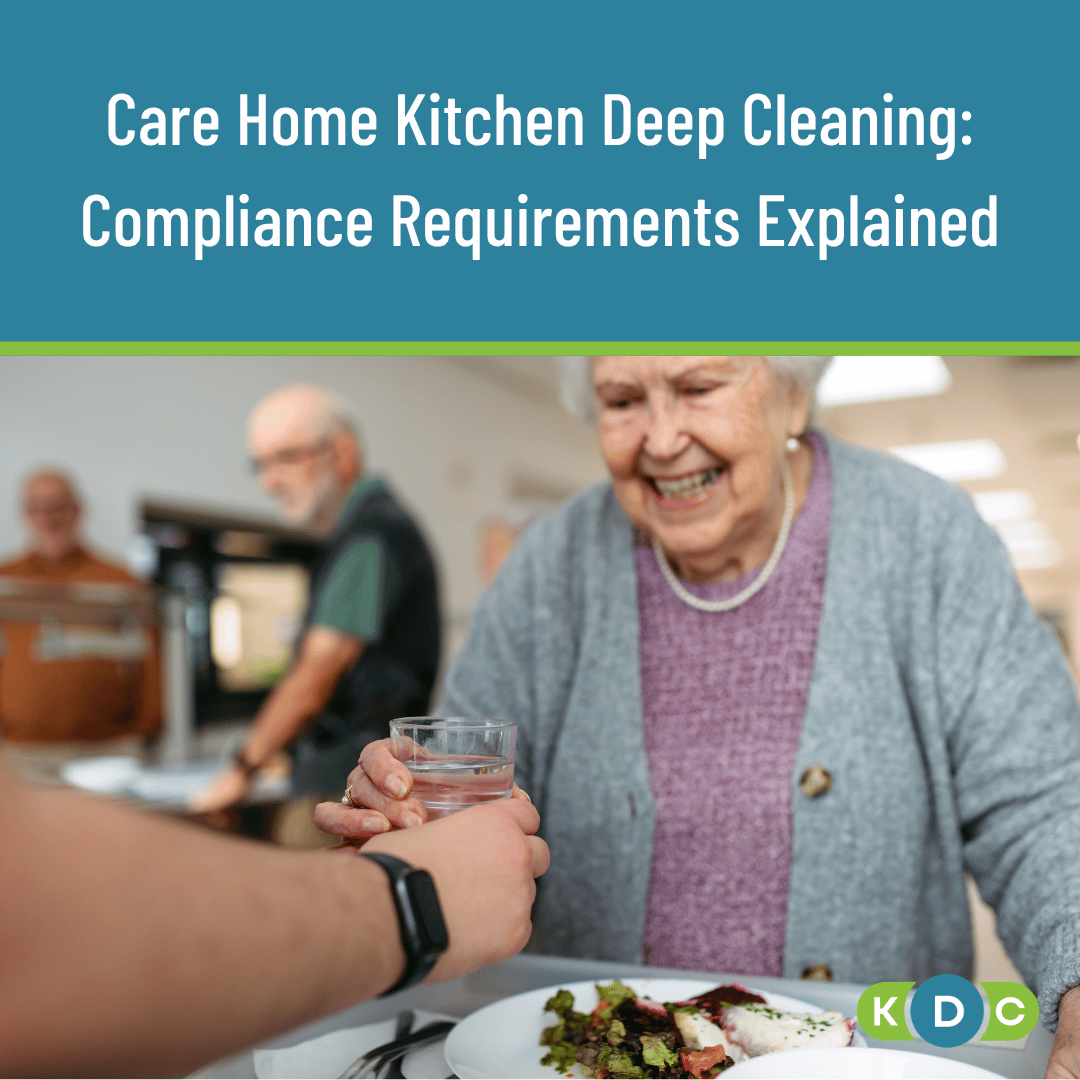
Care homes have two jobs to do at once: keeping food safe, and looking after residents who may be more vulnerable if something goes wrong. Older people and those with weakened immune systems can be particularly susceptible to serious illness from certain foodborne pathogens. For example, the Food Standards Agency (FSA) has specific guidance on reducing the risk of Listeria monocytogenes in health and social care settings, reflecting the particular risk listeriosis poses to vulnerable groups
That makes kitchen hygiene particularly important in a care setting, where what’s happening behind the scenes matters just as much as what lands on the plate. Here’s what the regulations actually require, what a deep clean covers, and how often it needs doing.
What food hygiene and CQC requirements apply to care homes?
In England, care home kitchens are subject to the same core food hygiene legislation as other food businesses, including the Food Safety Act 1990 and the Food Safety and Hygiene (England) Regulations 2013. Registered care providers also have additional requirements under CQC regulations. CQC, the Care Quality Commission, regulates health and social care services in England.
- Regulation 12 covers safe care and treatment, including assessing and managing infection risks.
- Regulation 14 covers residents’ nutritional and hydration needs.
- Regulation 15 requires premises and equipment to be clean, suitable and properly maintained.
Handing the cleaning over to a contractor doesn’t hand over the responsibility, too. The care provider still needs to choose the contractor carefully and make sure the cleaning arrangements are working properly, rather than simply taking them on trust.
Local authority food safety officers may also inspect the kitchen as part of food hygiene enforcement. In England, Wales and Northern Ireland, findings from food hygiene inspections can feed into the Food Hygiene Rating Scheme, which rates applicable food businesses from 0 to 5. A good rating is useful evidence of the standards found at the time of inspection, but it’s a snapshot rather than a guarantee, so day-to-day food safety and hygiene still matter.
What should a care home kitchen deep clean include?
Daily cleaning and a professional deep clean serve different purposes. Daily cleaning is what kitchen staff manage as part of a normal shift, wiping surfaces, washing hands, mopping floors, and giving appliances a quick once-over. A deep clean goes further, into the spots a daily routine was never going to reach.
Grease, carbon and biofilm have a habit of settling in behind and under cookers, inside extraction canopies, deep in the grouting, down floor drains, and up in the ductwork. Your care staff will already have their own cleaning routine, and a specialist deep clean is there to back that up. A commercial kitchen has equipment and awkward corners that need the right kit and training to tackle properly, and a decent contractor will leave you with a clear record of exactly what’s been done.
A proper care home kitchen deep clean process
A proper care home kitchen deep clean should cover the main areas where grease, food residue and general grime like to gather. It should also follow a specific process:
- High-level and structural areas: ceilings, light fittings, wall tiles, grout, splashbacks and cupboard tops.
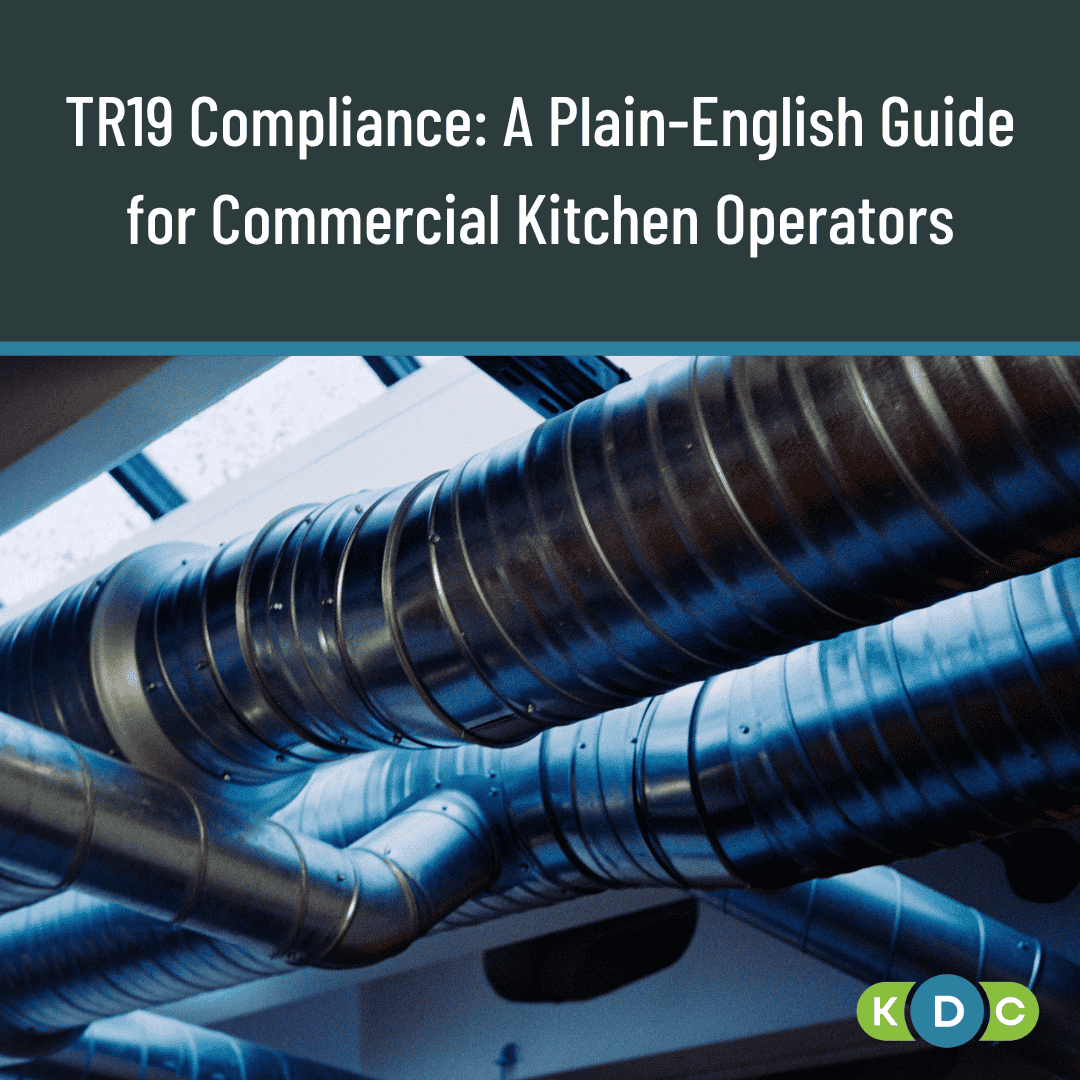
- Extraction and ventilation systems: degreasing of canopy internals, baffles, filters and accessible ductwork.
- Heavy kitchen appliances: decarbonising ovens, combi-steamers, grills, fryers and hobs, plus a proper going-over of fridges and freezers, including shelves, drawers and door seals.
- Wet areas and drainage: sinks, taps, floor gullies, drain channels and bin areas.
- A two-stage clean: detergent first to strip the grease and grime, then disinfection afterwards where it’s needed.
Scope varies from kitchen to kitchen, so always ask your contractor to spell out exactly what’s included in writing before you give the go-ahead.
How often should care home kitchens be deep cleaned?
There’s no single legal number here. The right frequency comes down to the kitchen’s own risk assessment, how hard it’s worked, what’s being cooked, and how fast grease and residue build up. Many care homes settle on a deep clean every three to six months, but busier kitchens often need it sooner.
Extraction systems run to their own schedule. Under current TR19® Grease guidance, the minimum recommended frequency is every three months for heavy-use kitchens, every six months for moderate-use kitchens and annually for light-use kitchens. More frequent cleaning may be needed depending on cooking style, grease build-up and risk assessments.
Deep cleaning doesn’t have to disrupt the running of the kitchen. We plan deep cleans around your kitchen’s quieter windows, like between lunch and dinner or overnight. We can also work zone by zone, so the kitchen stays open for business throughout.
What records should a care home keep for kitchen hygiene?
Good record-keeping is what turns “we clean properly” into something you can actually prove, and that matters during an environmental health officer inspection.
A care home should keep a documented Food Safety Management System (FSMS) built on Hazard Analysis Critical Control Point (HACCP) principles, daily cleaning logs, and temperature records showing chilled food has been kept within the right limits; 5°C or below is recommended good practice for chilled ready-to-eat food in health and social care settings. Beyond that, food safety and allergen training records, allergen information, and, where relevant, records for texture-modified diets, all pull their weight, too.
We provide cleaning certificates, before-and-after photographs and method statements with every deep clean. Keep them filed alongside your other records, as they’re useful evidence of the work carried out if you need to show due diligence.
What happens during a care home EHO kitchen inspection?
An EHO visit looks at how the kitchen runs day to day, not just how tidy it looks when the doorbell goes. Expect checks on cleanliness and condition, food storage and temperature control, cross-contamination controls, cleaning schedules, pest control, your food safety management system, staff practices and the paperwork behind all of it.
Exactly what gets checked depends on the local authority and the visit itself, but a kitchen with an up-to-date deep cleaning schedule, and the records to match, is in a much stronger spot.
Why choose us
We’ve been helping care homes across the country keep their kitchens clean, well maintained and ready for inspection for years.
Our teams are directly employed and properly trained, no subcontractors passed down the chain, and we can work 24/7, so your kitchen never loses a service. Every job comes with cleaning certificates, before-and-after photos and RAMS and COSHH paperwork on request, so you’ve always got something solid to show an inspector.
If you’d like to talk through your care home’s cleaning requirements, the KDC Kitchen & Duct Clean Ltd team can help you plan a suitable deep-cleaning schedule. Get in touch on 0208 245 8850 or email lee@kdcfh.co.uk.
FAQs
How often should care home kitchens be deep cleaned?
There’s no set legal interval for a care home kitchen deep clean. How often you need one depends on your kitchen’s risk assessment, how heavily it’s used and how quickly grease and food residue build up. Some care homes schedule a deep clean every three to six months, while busier kitchens may need them more often.
What’s the difference between daily cleaning and a professional deep clean?
Daily cleaning covers wiping surfaces, handwashing and mopping during normal operations. A deep clean reaches the areas daily cleaning can’t, like behind cookers, inside extraction canopies and ductwork, where grease and biofilms build up.
What CQC regulations apply to care home kitchen hygiene?
Three CQC regulations are particularly relevant when looking at food provision and kitchen hygiene in care homes. Regulation 12 covers safe care and infection control, Regulation 14 covers residents’ nutritional and hydration needs, and Regulation 15 requires premises and equipment to be clean and properly maintained. Even if you bring in a cleaning contractor, the care provider remains responsible for making sure the arrangements are working properly.
What records should a care home keep for kitchen hygiene compliance?
A Food Safety Management System, daily cleaning logs, and temperature records showing chilled food stored within required limits. Deep-clean certificates, photographs and method statements can provide useful additional evidence of the work carried out.
What does an EHO check during a care home kitchen inspection?
Cleanliness and condition, food storage and temperature control, cross-contamination controls, cleaning schedules, pest control, the food safety management system, staff practices and supporting records.